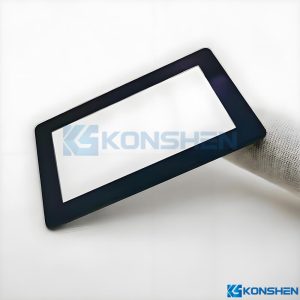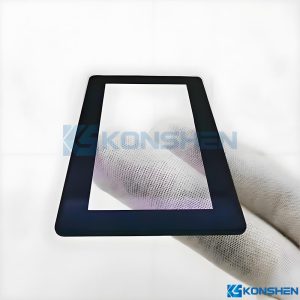
Anti-Reflective Coated Glass
KS Anti-Reflective (AR) coating is a type of optical coating applied to the glass surface to significantly reduce glare and reflections and increase the amount of light transmitted through the glass.
Original Low-Iron glass only transmit 91-92% of the light, with double-sides AR Coating the glass transmittance can reach up to 99%. This coating enhances the performance of optical devices by minimizing the loss of light due to reflection, thereby improving clarity and contrast.
Anti-Reflective Coating Key Benefits
Anti-Reflective Coating Key Benefits
R coatings allow more light to pass through(Max visible light transmittance reaches 99%), improving the brightness and clarity of images in cameras, microscopes, and other optical instruments.
Enhanced Clarity and Visibility
AR coatings reduce glare and reflections, making it easier to see through glass lenses or screens. This is crucial for optical devices such as glasses, camera lenses, and solar panels, where maximum light transmission is desired.
Improved Aesthetics
By minimizing reflections, AR coatings make glass lenses appear more transparent, enhancing the visual appeal of eyewear and optical devices.
UV Protection
Protects eyes by deflecting direct sunlight and decreasing the transmittance of ultraviolet light, thereby minimizing UV-induced eye damage.
Rich Image Color
Images present objects with better clarity by showcasing stronger contrasts and brilliant colors.
Reduced Eye Strain
AR coatings on eyeglasses reduce glare from artificial lighting and screens, which can help reduce eye strain for users.
Heat Resistance
AR glass can withstand temperatures exceeding 200°C, ensures excellent performance and stability even in harsh usage conditions.
Scratch Resistance
AR coatings also provide an added layer of protection against scratches and abrasions, which can prolong the lifespan of the coated product.
Applications
Optical Instruments
Electronic Displays
Solar Panels
Artwork
Eyewear
Camera/Laser Lenses
Types of AR Coatings
| Single-Layer Coating | Simple AR coatings that use a single layer of material to reduce reflection. |
| Multi-Layer Coating | Multi-layer AR coatings can cover a broader spectrum of wavelengths and are effective at reducing reflections across different angles of incidence. Compared to single-layer coatings, multi-layer coatings provide superior anti-reflective performance, making them suitable for high-precision optical devices and high-performance displays. |
| Broadband Coating | Designed to minimize reflections over a broad range of wavelengths, making them suitable for various applications. |
KS Glass can meet your transmission requirements within your specified wavelength range, whether in the UV, visible, and near IR spectral bands.
Typical AR Coating solutions
KS’s AR coatings are designed to cover the entire spectrum(200-2500nm), from ultraviolet (UV) to visible (VIS) and infrared (IR) ranges. This comprehensive coverage ensures optimal performance across various applications.
Our full-spectrum AR coatings are ideal for a broad array of industries, including optics, electronics, automotive, aerospace, and more. Whether for lenses, displays, sensors, or other optical components, our solutions deliver unparalleled results.
AR Coated Glass Product
How AR Coating is made?HIGH-QUALITY PRODUCTS ARE MORE ASSURED